
Inspection & Testing · Installation · Maintenance
Wet & Dry Fire Sprinkler Inspection, Testing & Repair
Every sprinkler type in your building on one schedule, with one contractor — fire sprinkler inspection and testing to NFPA 25, documented for your records and your insurance carrier.
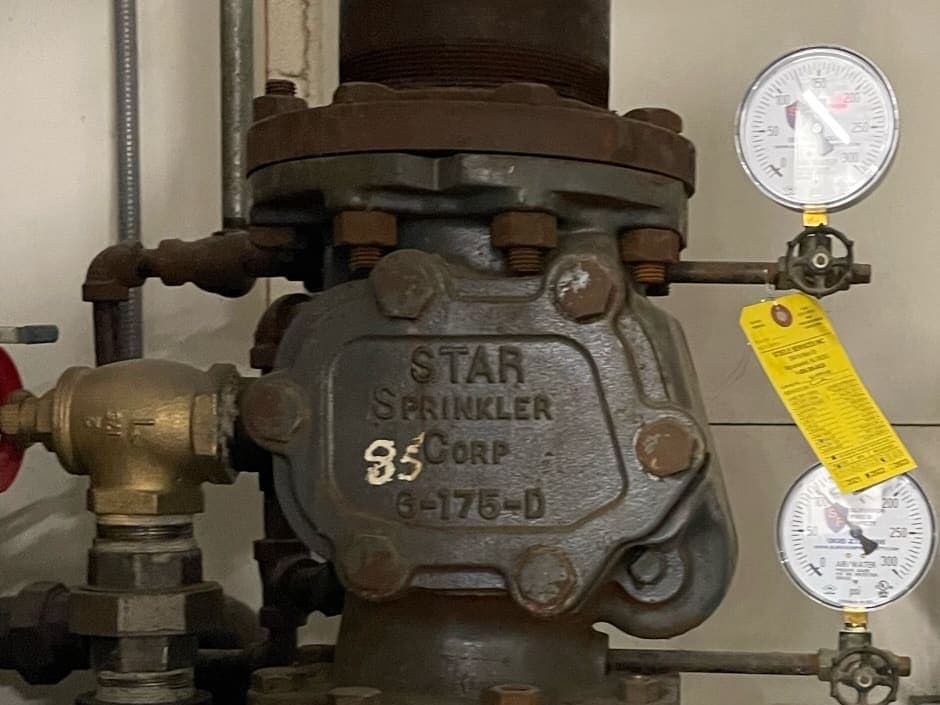
A closed control valve is the most common reason a sprinkler system does nothing during a fire. We check valve position, gauge pressure, waterflow alarms and internal condition on the intervals NFPA 25 sets — every check documented.
- Standard
- NFPA 25 — Water-Based Fire Protection Systems
- Systems
- Wet, dry, antifreeze
- Technicians
- NICET II, Water-Based Systems
- Testing
- Main drain, trip tests, obstruction assessment
- Reporting
- Every valve, every gauge, every line on the report
- Coverage
- NJ · PA · PHILA · DE
Core services
Inspection and testing, installation, maintenance.
We schedule inspections, installations and repairs around your working hours, so your operation keeps running.
Inspection & Testing
Floor-level visuals to five-year internals, on the NFPA 25 calendar your carrier expects.
- Gauge, valve and FDC inspections on the monthly and quarterly cycle
- Main drain test at the riser, results trended year over year
- Dry trip tests — partial flow annually, full flow every third year
- Waterflow and tamper device functional tests
- Five-year internal pipe assessment for obstruction
- Antifreeze solution testing and replacement
Installation & Retrofit
From tenant fit-out heads-up work to full system retrofits, permitted and inspected.
- Head relocation and addition when walls, ceilings or racking change
- System extensions for building additions and fit-outs
- Dry-pipe conversions for freezer and unheated spaces
- Seismic bracing and hanger corrections
- Authority having jurisdiction witness tests and closing documentation
Maintenance & Repair
Leaks, corrosion, frozen lines and failed valves — repaired to code, documented to match.
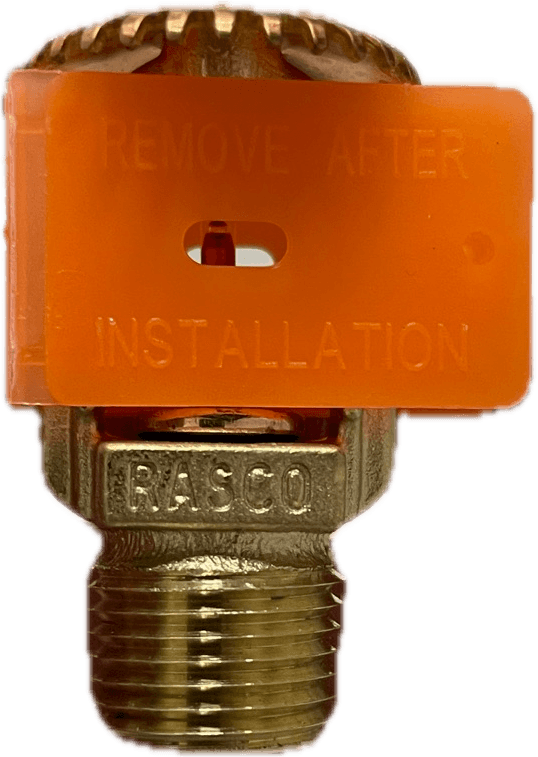
- Head replacement — recalled, painted, loaded or corroded heads
- Valve rebuilds and replacements, wet and dry
- Air compressor and nitrogen maintenance on dry systems
- Freeze protection and low-point drain programs
- Corrosion assessment and pipe replacement
- Obstruction remediation found in five-year internals
- Emergency repair around the clock
Common Questions
Wet & Dry Sprinkler Systems — questions we get asked.
How often does a fire sprinkler system need to be inspected?
Per code, quarterly waterflow alarm testing and fire department connection inspection, annual sprinkler and piping inspection with a main drain test, and a five-year internal assessment for obstruction. Dry systems add trip testing and their own air-side items.
What is the five-year internal inspection and do I really need it?
It requires opening the system and inspecting inside the pipe for scale, sediment and corrosion. It is the interval that most often goes overdue, and missing it twice is how a cleaning turns into a pipe replacement. It applies per system, so a building with several risers has several separate due dates.
What fails a sprinkler inspection most often?
In our own inspection record: overdue five-year internal assessments, out-of-date gauges, leaks, valve problems, and blocked piping/obstructions. Gauges are the quiet one — they carry a five-year replacement interval and we regularly find gauges dated decades ago still installed.
Does a closed control valve really matter that much?
It is the single most consequential deficiency in the trade. A closed valve is invisible from the floor, costs nothing to correct, and means the system does nothing at all during a fire.
We work on what's already in your riser room
No rip-and-replace pitch on the first visit. We hold current manuals and parts references for most systems above — when a system genuinely can't be maintained any longer, we'll show you why before we quote a replacement.
Wet & Dry Fire Sprinkler Inspection, Testing & Repair in trouble right now?
Call 1-888-306-8430 — the line is answered around the clock by a technician who can access your system information and start guidance on the phone.